Published On: 2026-05-21
Best Fabrics for Humid Weather: Why Cotton is Still King | Bombay Batik
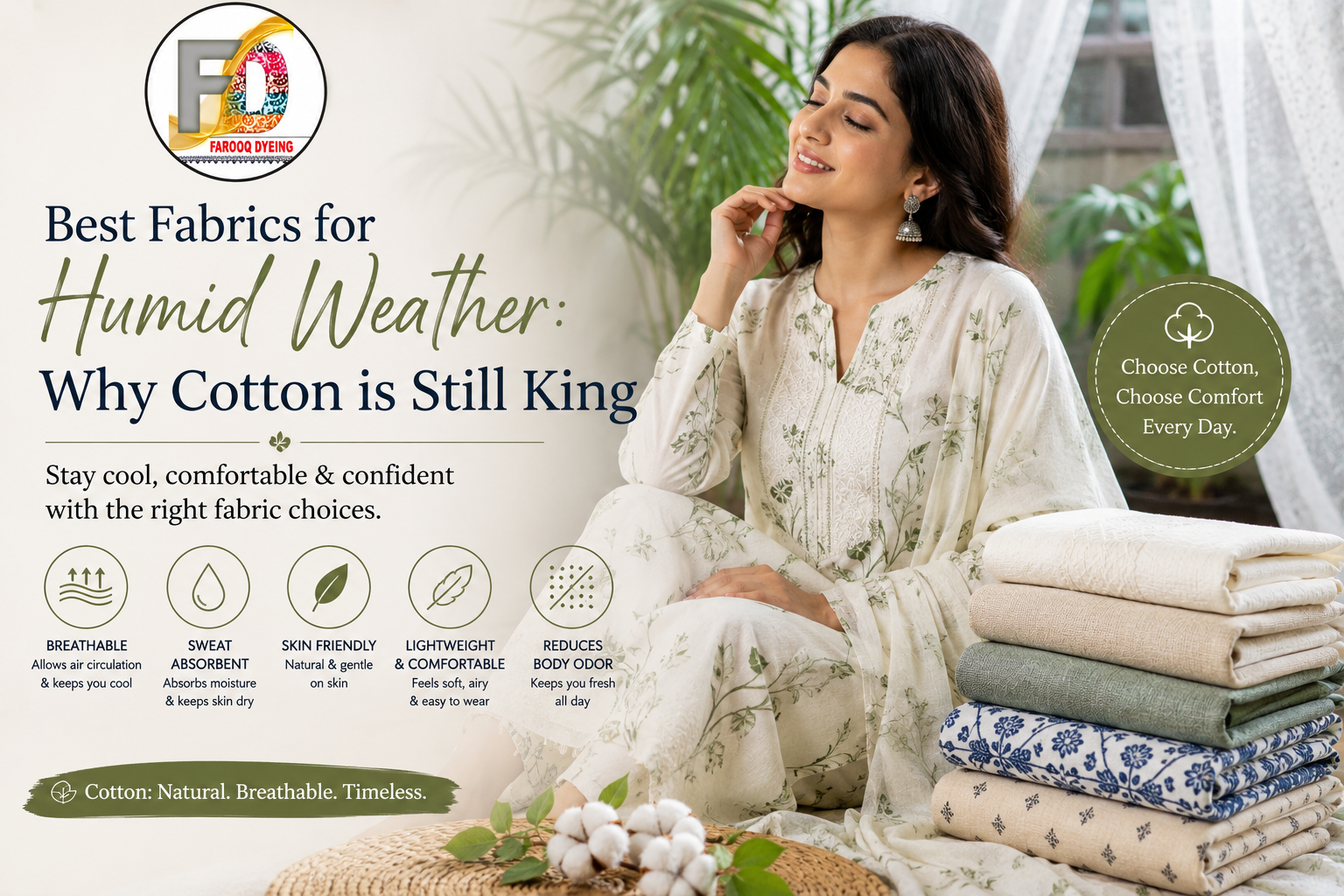
Best Fabrics for Humid Weather: Why Cotton is Still King | Bombay Batik
When humidity rises, even simple daily activities can feel exhausting. Sticky skin, sweat patches, body odor, and irritation become everyday struggles—especially during Indian monsoons or in coastal cities like Mumbai.
That’s why choosing the right fabric becomes more than just a fashion decision. The fabric you wear directly affects your comfort, skin health, and confidence throughout the day.
At Bombay Batik, we believe fashion should feel as good as it looks. In this blog, we’ll explore the best fabrics for humid climates and explain why pure cotton continues to be the ultimate winner for Indian weather.
Understanding Humid Weather & Clothing Needs
Humidity means there is excess moisture in the air. Since sweat cannot evaporate easily, your body struggles to cool itself naturally.
This often leads to:
Sticky skin
Sweat stains
Clothes clinging to the body
Body odor
Heat rashes & irritation
That’s why the ideal fabric for humid weather should:
✔ Be breathable
✔ Absorb sweat efficiently
✔ Feel lightweight on the skin
✔ Dry comfortably
✔ Prevent irritation and rashes
Let’s explore the best options.
1. Cotton – The Ultimate Champion
Nothing beats cotton when it comes to humid weather. For generations, cotton has remained India’s most loved fabric—and for good reason.
At Bombay Batik, cotton is at the heart of many of our handcrafted collections because it combines comfort, elegance, and practicality perfectly.
Why Cotton Wins
1. Highly Breathable
Cotton allows proper air circulation, helping body heat escape naturally and keeping you cool throughout the day.
2. Excellent Sweat Absorption
Pure cotton absorbs moisture effectively, reducing stickiness and discomfort.
3. Gentle on Skin
Natural cotton fibers are soft and skin-friendly, making them ideal for sensitive skin and humid conditions.
4. Lightweight & Comfortable
Especially handwoven cotton feels airy, soft, and effortless to wear for long hours.
5. Helps Reduce Body Odor
By absorbing sweat instead of trapping it, cotton helps minimize odor buildup.
Best Cotton Fabrics for Humid Weather
Some cotton varieties work exceptionally well during Indian summers and monsoons:
Mulmul Cotton
Cambric Cotton
Handwoven Cotton
Organic Cotton
Cotton kurtas, sarees, dresses, co-ord sets, and unstitched dress materials are perfect daily wear choices for humid climates.
Why Handcrafted Cotton Feels Different
Machine-made fabrics often prioritize quantity over comfort. Handcrafted cotton, however, feels softer, breathes better, and carries a unique artisanal charm.
At Bombay Batik, our handcrafted batik cotton collections combine traditional artistry with breathable fabrics designed for Indian weather.
The result? Clothing that looks elegant while keeping you comfortable all day long.
2. Linen – Elegant but High Maintenance
Linen is another natural fabric made from flax fibers.
Benefits of Linen
Extremely breathable
Absorbs moisture well
Feels cool against the skin
Gives a premium, sophisticated look
Drawbacks
Wrinkles very easily
Slightly stiff texture
Usually more expensive than cotton
Linen works beautifully for office wear and semi-formal outfits, but it requires more care and maintenance.
3. Rayon – Soft but Not Always Reliable
Rayon is a semi-synthetic fabric made from natural cellulose.
Pros
Soft and flowy
Lightweight
Affordable
Cons
Absorbs sweat but dries slowly
Can feel sticky in excessive humidity
Fabric quality varies greatly
Rayon may work for short outings, but for long humid days, cotton remains the more dependable option.
4. Polyester – Best Avoided in Humid Weather
Polyester is widely used because it is affordable and durable, but it is not ideal for Indian humidity.
Why Polyester Feels Uncomfortable
Poor breathability
Traps sweat and heat
Increases body odor
May cause irritation or rashes
In humid climates, polyester often feels heavy, sticky, and suffocating.
Styling Tips for Humid Weather
Here are a few easy ways to stay stylish and comfortable:
Choose Light Colors
White, beige, pastel blue, soft pink, and light yellow reflect heat better and feel cooler.
Wear Loose Fits
Relaxed silhouettes improve airflow and reduce sweat buildup.
Prefer Natural Fabrics
Cotton and linen allow your skin to breathe naturally.
Avoid Heavy Layering
Keep outfits minimal and airy during humid months.
Frequently Asked Questions (FAQs)
Q1. Is cotton better than linen for humid weather?
Yes. Cotton is softer, easier to maintain, and more comfortable for daily wear. Linen is breathable but wrinkles quickly.
Q2. Which cotton is best for extreme humidity?
Mulmul cotton and handwoven pure cotton are excellent choices because they are lightweight and highly breathable.
Q3. Can synthetic fabrics cause skin irritation?
Yes. Fabrics like polyester trap sweat and heat, which may lead to rashes and discomfort.
Q4. Why do cotton clothes feel cooler?
Cotton absorbs sweat and allows better air circulation, helping your body cool naturally.
Q5. What type of outfits work best during monsoons?
Lightweight cotton kurtas, co-ord sets, dresses, and breathable unstitched suits are ideal for humid weather.
Final Thoughts
When it comes to surviving humid weather comfortably, fabric matters more than fashion trends. And despite the arrival of countless synthetic blends, cotton continues to remain unmatched.
It’s breathable, skin-friendly, lightweight, and perfectly suited for Indian climates.
At Bombay Batik, we celebrate timeless handcrafted cotton styles that combine comfort with artistry—so you can stay cool, stylish, and confident no matter how high the humidity gets.
Continue Reading
Breezy Whites: Nature-Inspired Cotton Styles for Summer
Cotton vs Synthetic Fabrics: What’s Best for Summer Clothing?